Battery Swapping Market Opportunities in Thailand 2026
2026-06-18
Bangkok runs on two wheels. Motorcycle taxis move people through gridlocked streets, delivery riders keep food platforms running, and commuters navigate the city on motorbikes because nothing else gets them there on time. That volume of two-wheeler activity creates a straightforward business case for battery swapping, but only if the infrastructure is dense enough, reliable enough, and backed by an operator capable of sustaining it. This is how HelloSwap is building that infrastructure in Bangkok, and what partners working with HelloSwap can expect from the model.
For context on Thailand's broader market landscape and the companies active in this space, see our overviews of top battery swapping companies in Thailand and Thailand's battery swapping market opportunities in 2026.
HelloSwap is co-founded by Hello Inc., Ant Group, and CATL. Hello Inc. brings the operational backbone of China's largest shared mobility platform. Ant Group contributes the digital infrastructure that powers billing, settlement, and the user-facing app. CATL underpins the hardware with battery R&D and safety engineering developed at the scale of global EV supply chains. The network today spans 500+ cities, with 80,000+ swap cabinets deployed and 5M+ batteries under management—a foundation that HelloSwap's Thailand deployment is built on top of, not built instead of.
For a partner evaluating a long-term infrastructure commitment in Thailand, that track record matters: the technology, the dispatching logic, and the operational playbook have already been stress-tested at scale in high-density two-wheeler markets.
Metric | Result |
Deployment Timeline | 6 months |
Battery Swap Cabinets | 200+ |
Integrated Service Stations | 10 |
Urban Coverage | 90% of key commercial districts, transport hubs, and residential areas |
Average Swap Time | 15 seconds |
Service Radius | 3-minute energy replenishment + 5-minute vehicle access |
Overall User Satisfaction | 98% across swapping, rental, sales, and maintenance |
*Figures represent project planning targets for the Bangkok deployment.
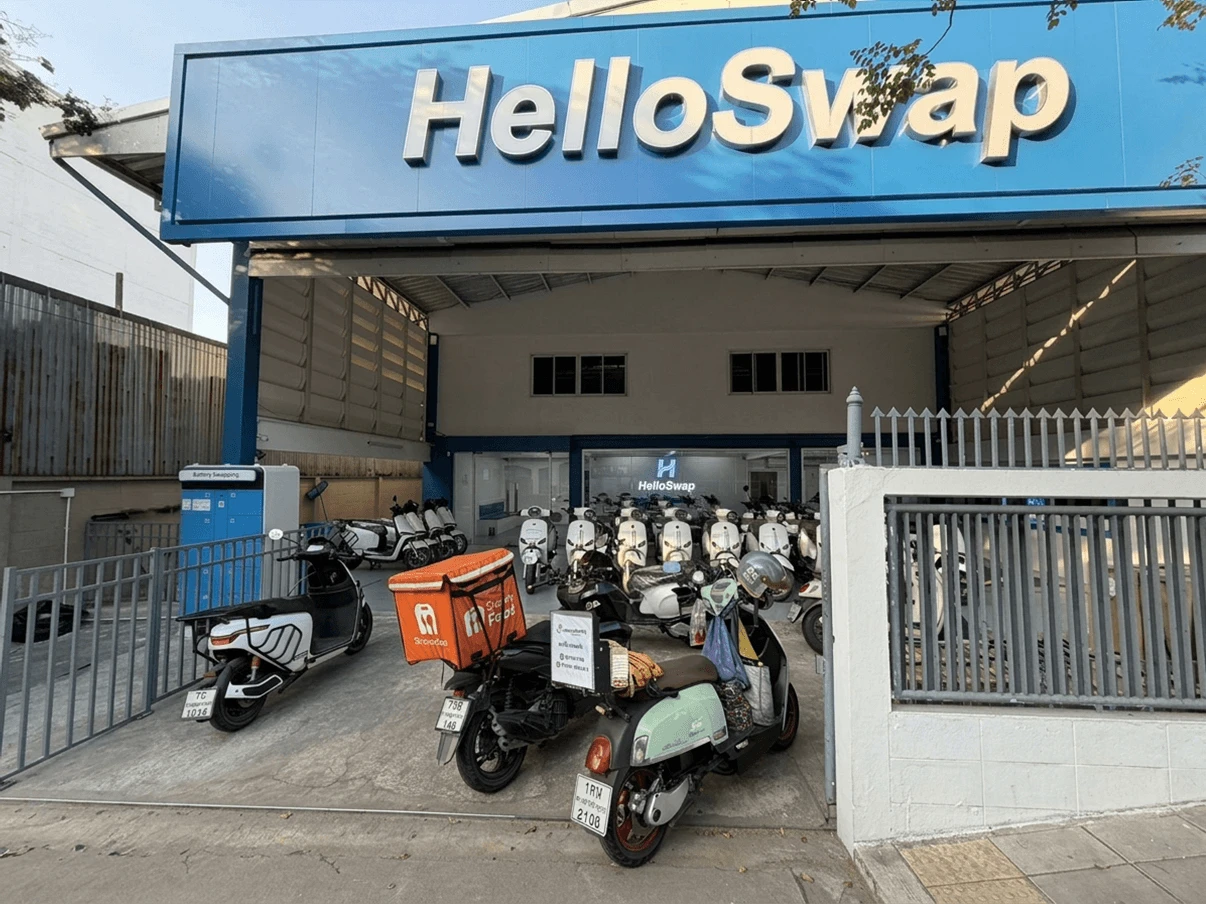
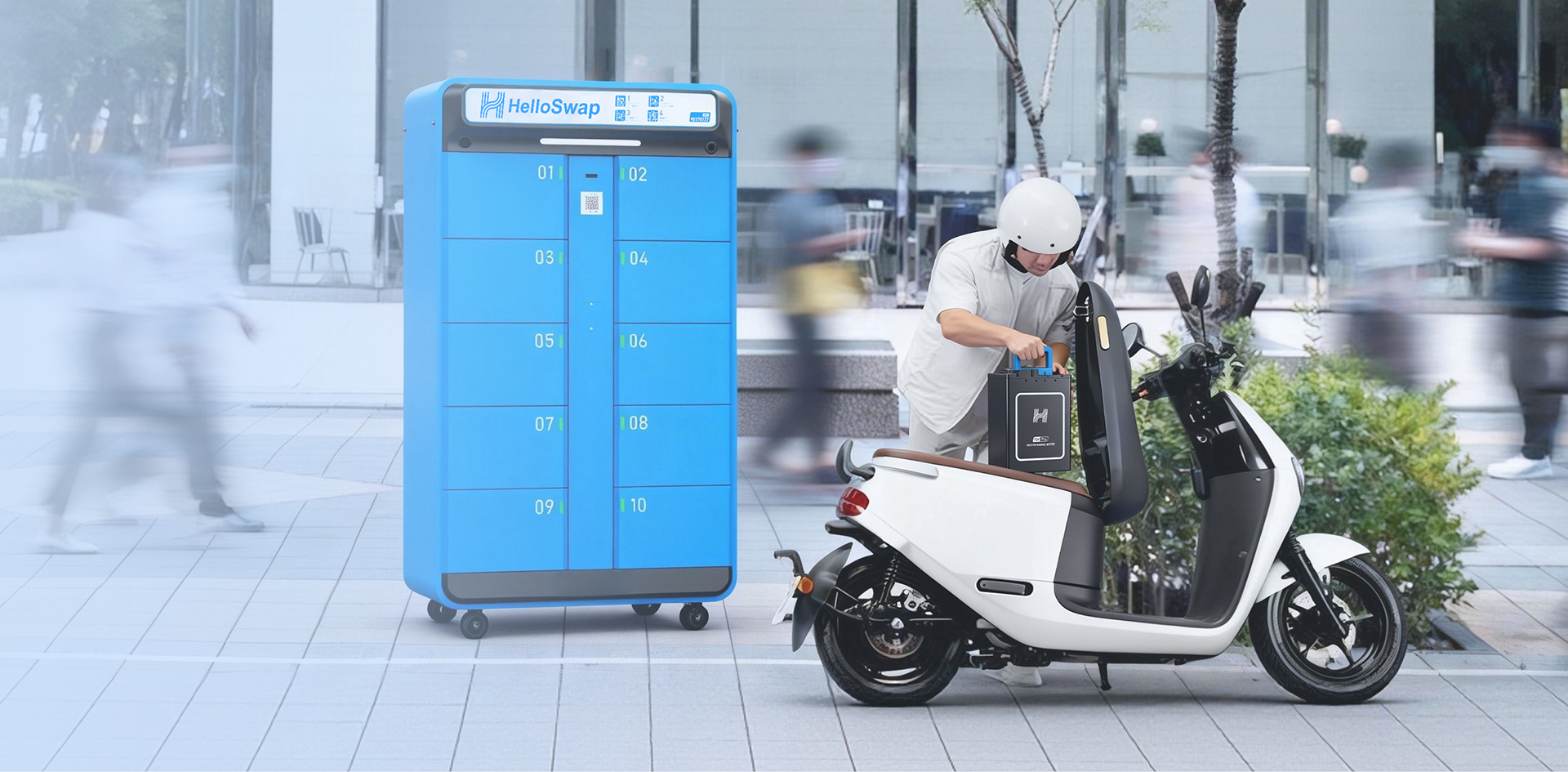
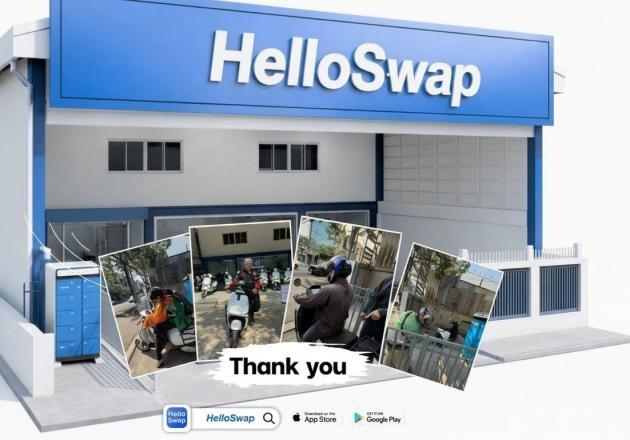
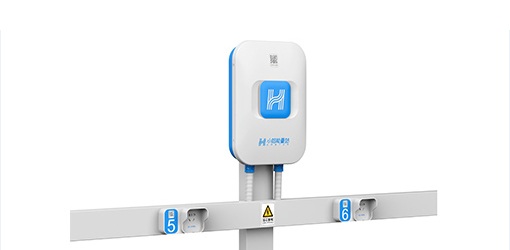
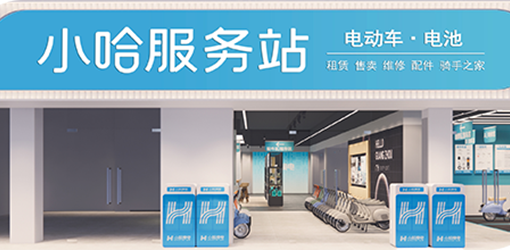
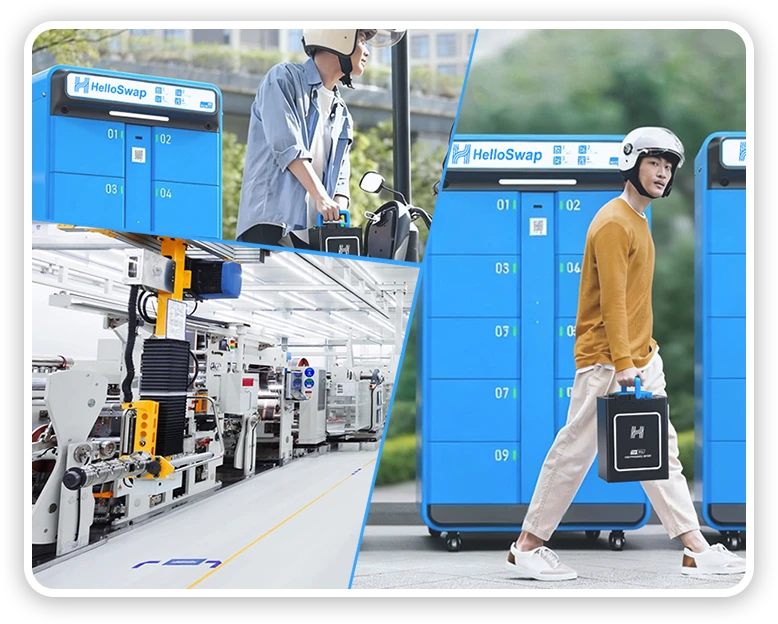
The Bangkok deployment is designed to be completed within six months, establishing 200+ battery swapping cabinets and 10 HelloSwap service stations across the city. Each service station functions as a full-service hub for electric two-wheelers, handling battery swap cabinet operations, new vehicle display and sales, rental vehicle maintenance, and emergency power in one location. Running these under a single platform means a station operator works from one interface for inventory, orders, and billing—and customers who arrive for a swap can be served on rentals or maintenance without being redirected elsewhere.
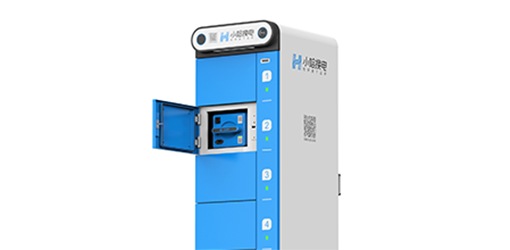
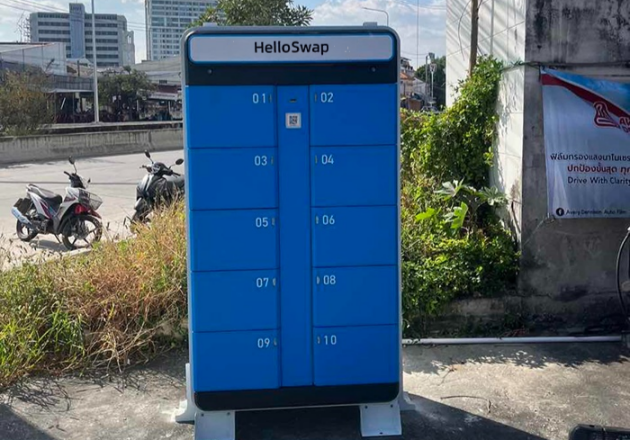
The 200+ cabinets spread across the city serve as the high-frequency touchpoints: positioned at convenience stores, transport hubs, and residential areas where riders need fast access without a full-service facility nearby. Together, the stations and cabinets are designed to deliver a "3-minute energy replenishment + 5-minute vehicle access" radius across Bangkok's covered zones. For a delivery rider calculating daily earnings against downtime, that service radius changes what electric two-wheelers can practically offer.
A cabinet that runs dry during the morning rush undermines rider confidence in the entire network. HelloSwap's dispatching system addresses this directly. It continuously pulls Bangkok's traffic heatmaps, live battery inventory levels across every cabinet, and rental and swap order density patterns, then dynamically reallocates battery replenishment and vehicle deployment before shortfalls develop.
The dispatching layer connects to a unified digital platform built on IoT monitoring and big data infrastructure, covering every part of the operation: vehicle rental booking and return, sales order tracking, real-time cabinet monitoring across every swap point, and electricity billing and settlement. Riders handle all of this through the HelloSwap app; offline service stations are synchronized to the same data, so what a customer does in the app is immediately visible at the physical station level. Billing and settlement run automatically across swap transactions, vehicle rentals, sales, and maintenance.
Entering Thailand's battery swapping market requires capital, local knowledge, and operational infrastructure that most partners are still building. HelloSwap structures its partnerships around three cooperation models to meet partners at different stages of that readiness:
Joint operation: JV or cooperation with local operators, lowering initial capital outlay by sharing investment and upside
Equipment leasing: partnering with financial institutions to convert hardware purchases into leasing arrangements, keeping the balance sheet lighter at entry
Industrial fund connection: connecting qualified projects with green energy and ESG funds to accelerate local infrastructure deployment
Whichever model a partner enters with, HelloSwap provides support across the full project lifecycle.
Before launch: licensing assistance, site planning, and a deployment strategy built around local traffic data and regulatory requirements
At launch: hands-on installation guidance and staff training
During operations: ongoing optimization drawing on data from across the global network, alongside maintenance and fault resolution with clear response commitments
The standardized construction workflow compresses the time from commitment to first revenue and removes guesswork from construction cost modeling—a meaningful advantage in a market where infrastructure timelines directly affect competitive positioning.
Thailand's national targets call for approximately 1,450 battery swap stations by 2030. The stations being built now will define who holds the coverage advantage when mass EV adoption arrives. A denser network generates better user experience, higher utilization, and stronger station-level economics—advantages that compound over time for operators who establish coverage early.
HelloSwap's Bangkok project is underway. For partners looking to enter Bangkok, expand into Chiang Mai, Pattaya, or other Thai cities, or build fleet-specific swapping infrastructure, now is the time to get involved.
Contact: submit a cooperation inquiry to start the conversation
Project analysis: we assess your market opportunity together and identify the right cooperation model
Project planning: we build a deployment roadmap tailored to your market and operational structure
Product delivery: hardware, software, and full operational support, delivered to plan
If you are evaluating battery swapping infrastructure in Thailand as an operator, fleet company, logistics business, or investor, reach out now to work through what a deployment in your target market would involve.
Contact Us
hellopowerglobal@hellobike.com
Location
2F, Building 1, No.898 XiuWen Road, MinHang District, Shanghai, China
Copyright © 2024 福建宁德惠智无限科技有限公司 All Rights Reserved. 京ICP证000000号